posts

Acne: When to See a Doctor

AC SkinTips
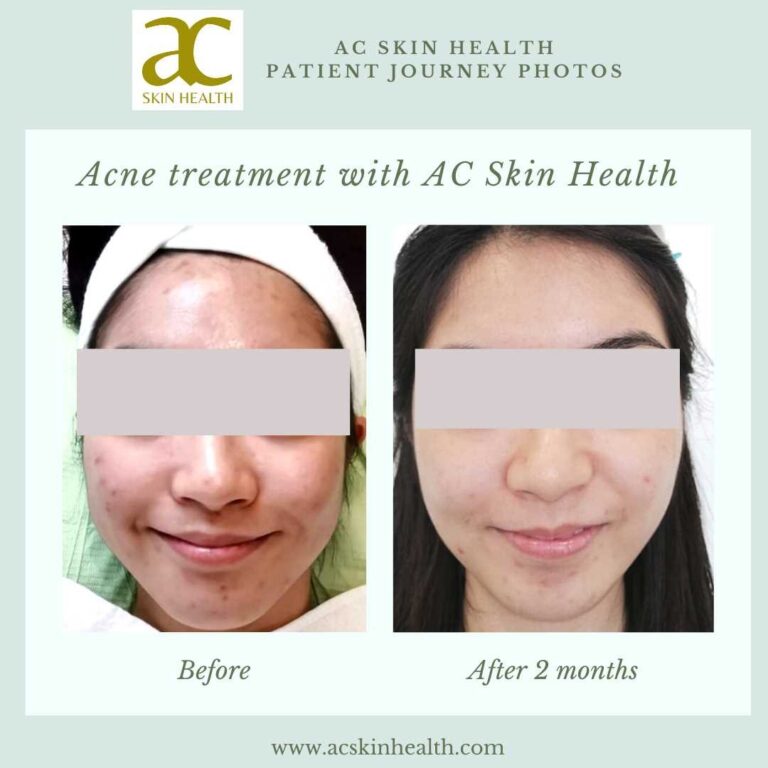
ACNE: When To Consult

Acne can present in varying severity from zits, blackheads, whiteheads to papules, pustules, painful nodules and cysts. This is a guide for patients on when to consult your dermatologist for acne.

For mild acne, those with few zits and occasional pimples, you can initially try over-the-counter (OTC) products available in the market.  Some of the important ingredients to spot in these topical products are: salicylic acid, glycolic acid, tea tree oil, witch hazel, azelaic acid, benzoyl peroxide, retinol, niacinamide, etc. In general, these preparations can address mild acne.

Just keep in mind, you want your active ingredients listed in the first three or first five of the ingredients list. Also, percentage of active ingredients in OTCs is usually of lower concentration making it mild and safe for use without supervision of a dermatologist.

when to consult your dermatologist

1. no improvement

If the products that you have been using have not improved your acne, go ahead and consult with your dermatologist. Bring with you a list of the products that you have been using including their ingredients, so your dermatologist will be guided in making your treatment plan.

2. new breakouts

If your regimen clears your zits but you continue to have new breakouts, you may want to set your appointment with your dermatologist.

3. worsening acne

Likewise, if you notice you are suffering from more zits, blackheads, whiteheads, or if you develop more pustules, and painful cysts and nodules. Do not delay, consult your dermatologist right away! Having deeper lesions such as cysts and nodules make you more prone to developing unsightly scars – and scars are more challenging and more expensive to treat!

4. scarring

You may develop dark spots once your zit dries. Some also experience atrophic scars, which are more difficult to treat. Remember, acne is preventable and more treatable vs. scars. Consulting early will save you from scars, which in the long run will save you money.

5. emotional and psychosocial effects of acne

Another thing to consider is the psychosocial effect of acne. Your acne may be mild, moderate or severe, but anxiety or depression may be experienced because of your zits. You may at times feel like staying home instead of meeting your friends. Do not ignore these feelings, and consult your dermatologist right away.

We hope these AC SkinTips help you decide when to consult your dermatologist for acne.

You can book with AC Skin Health and consult with our board-certified dermatologists. Book now!

For more updates, you may visit our Facebook Page.

Acne: When to See a Doctor Read More »
Tips for Staying Indoors

AC SkinTips

Skin care tips for staying indoors in an air conditioned room

Staying indoors in an air conditioned room can cause dry skin. Those who use air conditioners for at least 8 hours a day may experience flare ups of eczema, rosacea and psoriasis. Likewise, those who are in their cars but have the AC on full blast direct to their faces can experience the harsh effects on their skin too.

Air conditioners work by decreasing the humidity, aka moisture, in the environment. Too much exposure can result in loss of moisture of the skin too. Hence, those with sensitive skin, such as those with eczema, atopic dermatitis, rosacea and psoriasis, may experience worsening of their skin conditions due to prolonged exposure to AC.

What can we do to prevent this?

1. FIRSTLY, HYDRATE!

We can never stress this enough! Drinking enough water will do wonders to your skin and to your overall health. On the average, about 8-10 glasses a day is a healthy goal. Bring with you your flask or water container and avoid getting dehydrated. You can also infuse cucumber, lemon, mint, or add chia seeds to make it a healthier and more refreshing drink.

2. MOISTURIZE

Immediately after bathing in the morning, lather on your favorite moisturizer! It is best applied while skin is damp. Moisturizers will be more effective if used this way. Sensitive skin should avoid scented products and other additives. Depending on your skin type, some of the ingredients we love are oatmeal, glycerin, lanolin, petrolatum, urea, shea butter, aloe vera, and hyaluronic acid. You need to moisturize both body and face.

3. DON’T FORGET TO TAKE REGULAR BREAKS

You may take regular breaks from staying indoors to stop and rest. This will be good for your skin too, and your eyes (if you’ve been working at your laptop since you clocked in).

4. USE A HUMIDIFIER

In environment where it is really cold, you may use a humidifier. This will not only benefit your skin, but will also protect your nose and respiratory lining, and your eyes. Eyes and your respiratory tract get dry too!

5. TAKE SUPPLEMENTS

For those with problematic dry skin, taking supplements may benefit them. This is of course in addition to a healthy and balanced diet. Supplements that help maintain skin moisture and keep flare ups at bay are fish oil (omega-3), Vit D, Vit E, Zinc, and evening primrose oil.


We hope these AC SkinTips will keep your skin hydrated despite staying indoors in an air conditioned room.

You can book with AC Skin Health and consult with our board-certified dermatologists. Book now!

For more updates, you may visit our Facebook Page.

Tips for Staying Indoors Read More »

Acne: Tips to Achieve Clearer Skin

AC SkinTips

Acne: Tips to Achieve Clearer Skin

Almost all have experienced problems with acne. You may experience it beginning your teenage years, while some have acne on their 20s, 30s, or even later. Acne can present as blackheads, white heads, inflamed papules, pustules, cysts and nodules.

Follow these simple tips to avoid aggravating your acne to achieve clearer skin.

Cleansing your skin is important at least twice a day. Once in the morning and once again before you sleep at night. For most people, twice a day is enough frequency. However if you sweat, for example after a work out, it is also better to wash your skin as soon as possible.

It is recommended to use a mild cleanser. This prevents excessive drying of your skin. Mild cleansers usually are non-comedogenic or products that does not contain ingredients that can cause acne flare-ups.

Gently wash face using your fingertips. Avoid using scrubs, face towel, and loofah. Being overzealous in cleansing can irritate your skin resulting in worsening of your acne.

Touching your skin can cause flare-ups! Not to mention it increases your Covid-19 risk. So avoid touching your face at all costs! Moreover, picking and touching your blackheads, whiteheads and pimples increase the risk for scarring. Next time you want to pop or squeeze your pimple, avoid the urge please!

Consult your dermatologist if these simple steps do not control your acne. Your dermatologist will give you a treatment plan that is appropriate and customized to your specific skin needs.

You can book with AC Skin Health and consult with our board-certified dermatologists. Book now!

For more updates, you may visit our Facebook Page.

Acne: Tips to Achieve Clearer Skin Read More »